Mold Damage Repair in San Tan Valley and Queen Creek, AZ
Repairing Structural Damage Caused by Mold Growth
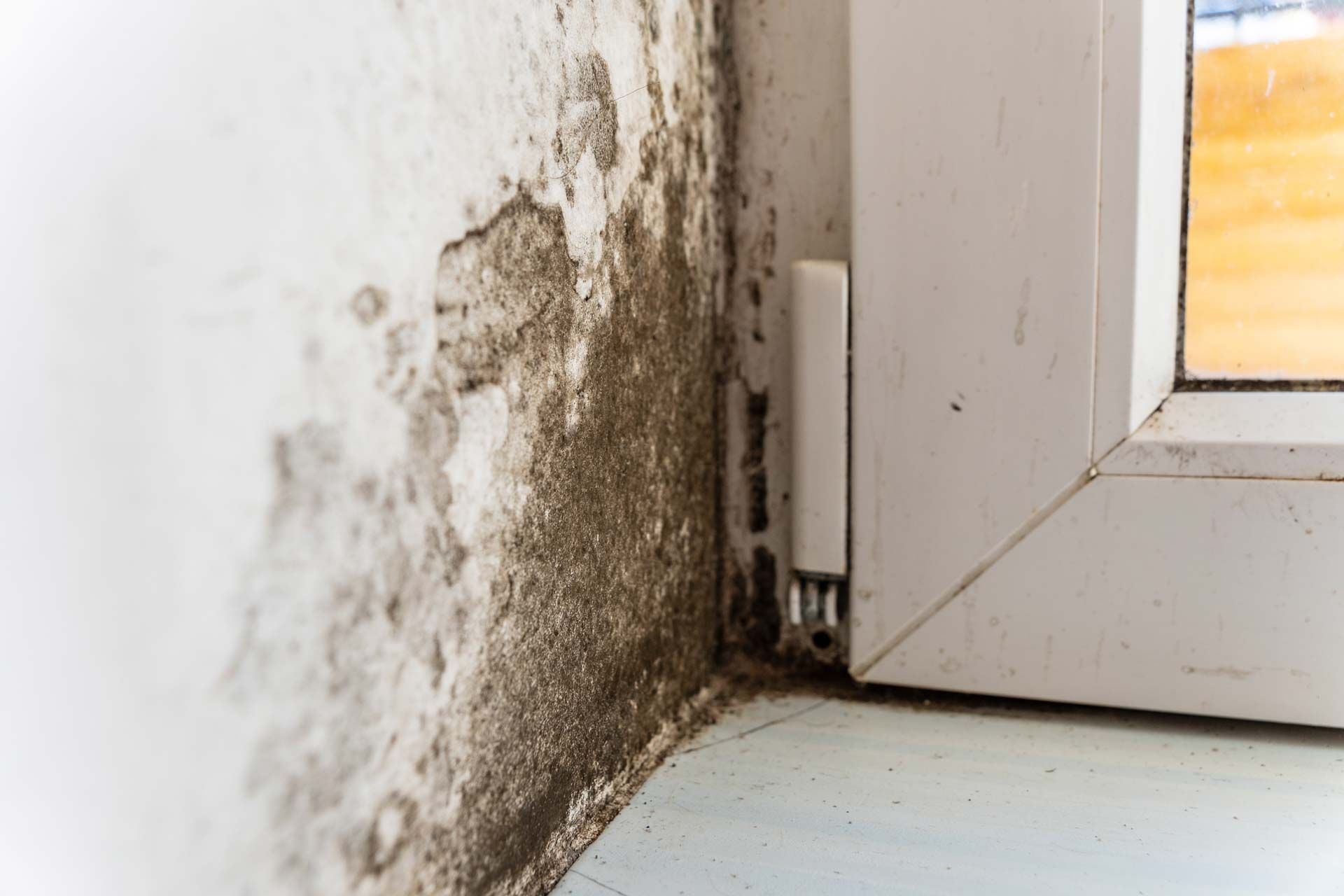
When mold is left untreated, it gradually weakens building materials, damages surfaces, and leads to significant structural problems. Once remediation removes the active mold growth, the next step is repairing the areas affected by decay, staining, moisture, and material deterioration. Dire Restoration provides mold damage repair services in San Tan Valley and Queen Creek, AZ, focused on restoring damaged components, rebuilding compromised structures, and returning the affected space to a safe, stable condition. Mold repair is essential for ensuring long-term structural integrity and preventing future deterioration.
Assessment of Mold-Affected Materials
Before repairs begin, each affected area is evaluated to understand how deeply the mold has penetrated the structure. Mold can weaken materials that appear intact on the surface, so a detailed assessment helps determine what can be salvaged and what must be replaced.
Mold Damage Evaluation
Identifying Deteriorated Drywall and Insulation
Drywall and insulation absorb moisture quickly, making them vulnerable to mold-related breakdown. Assessing their stability helps guide removal and repair.
Checking Wood Framing and Subfloor Integrity
Long-term mold exposure may soften or weaken wood components. Evaluations ensure only structurally sound materials remain in place.
Examining Flooring and Base Materials
Carpet, padding, and certain types of tile or laminate can retain moisture or show warping, requiring removal or targeted repairs.
Inspecting Ventilation and Moisture-Prone Areas
Areas like attics, bathrooms, and crawlspaces often sustain deeper mold damage and may require more extensive restoration.
Removal of Damaged Materials and Structural Preparation
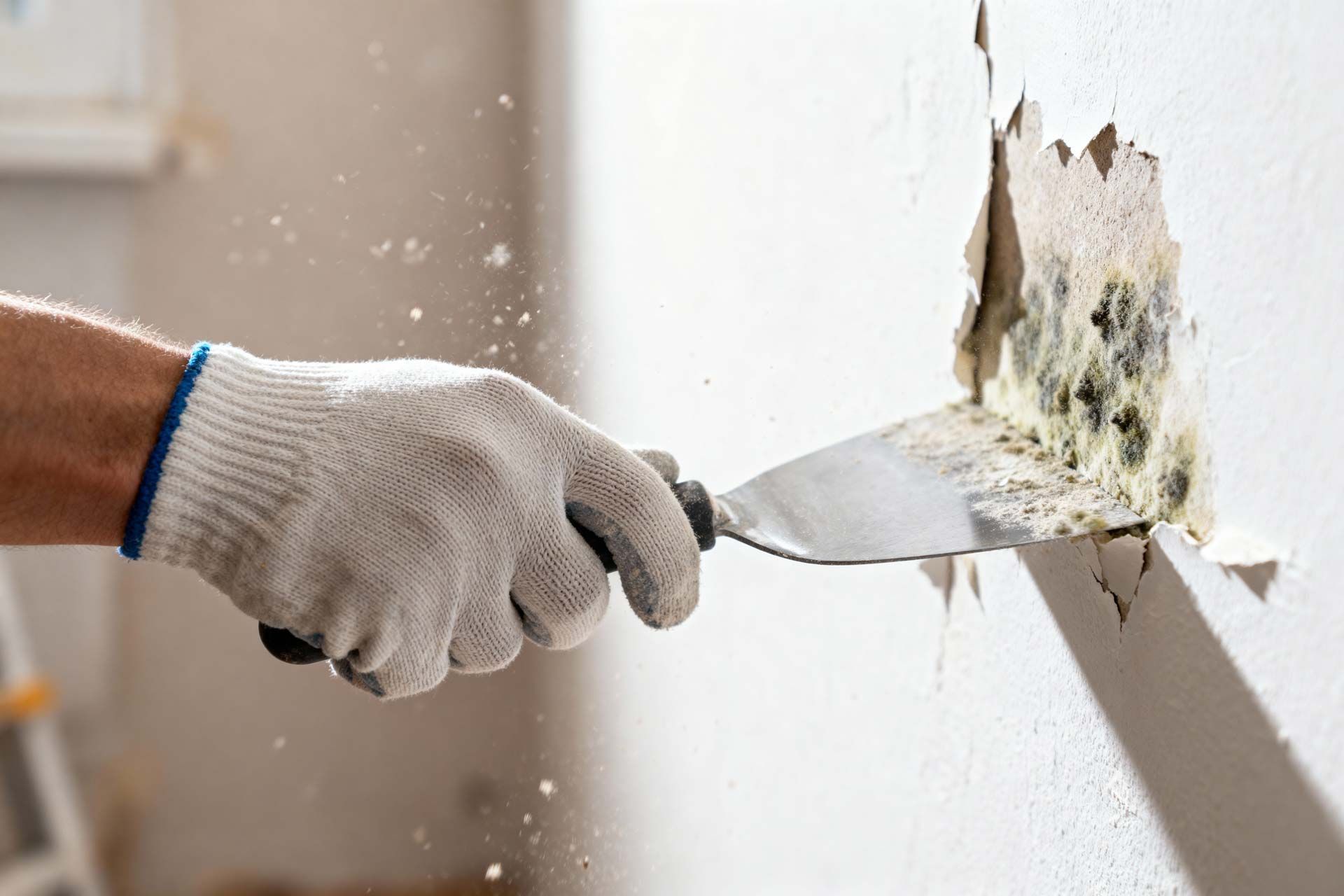
After identifying compromised areas, materials beyond repair are removed to create a clean foundation for rebuilding. This step ensures the space is free of weakened components and fully prepared for new construction.
Material Removal Process
Clearing Out Compromised Drywall and Trim
Any materials showing mold staining, softening, or crumbling are removed to eliminate the risk of future contamination.
Extracting Affected Flooring Layers
Padding, carpeting, and damaged subfloor sections are taken out so new materials can be installed safely and securely.
Removing Deteriorated Insulation
Insulation that has absorbed moisture or mold spores is replaced to improve energy efficiency and indoor air quality.
Preparing Structural Surfaces
Remaining materials are cleaned, dried, and treated to ensure a stable foundation for the rebuilding process.
Moisture Correction and Preventative Improvements
Repairing mold damage also includes improving the conditions that allowed mold to grow in the first place. Correcting moisture issues is essential for ensuring the repairs remain effective long-term.
Moisture Prevention Steps
Improving Ventilation and Airflow
Enhanced ventilation reduces humidity levels in areas vulnerable to moisture buildup.
Sealing Vulnerable Structural Areas
Caulking, waterproof barriers, and protective coatings help prevent water intrusion and material deterioration.
Addressing Plumbing or Leak Sources
If past leaks contributed to mold growth, repairs ensure water does not re-enter the space.
Ensuring Proper Drying Before Final Build-Out
All materials must be completely dry before finishing work to prevent mold from returning.
Structural Repair and Rebuilding
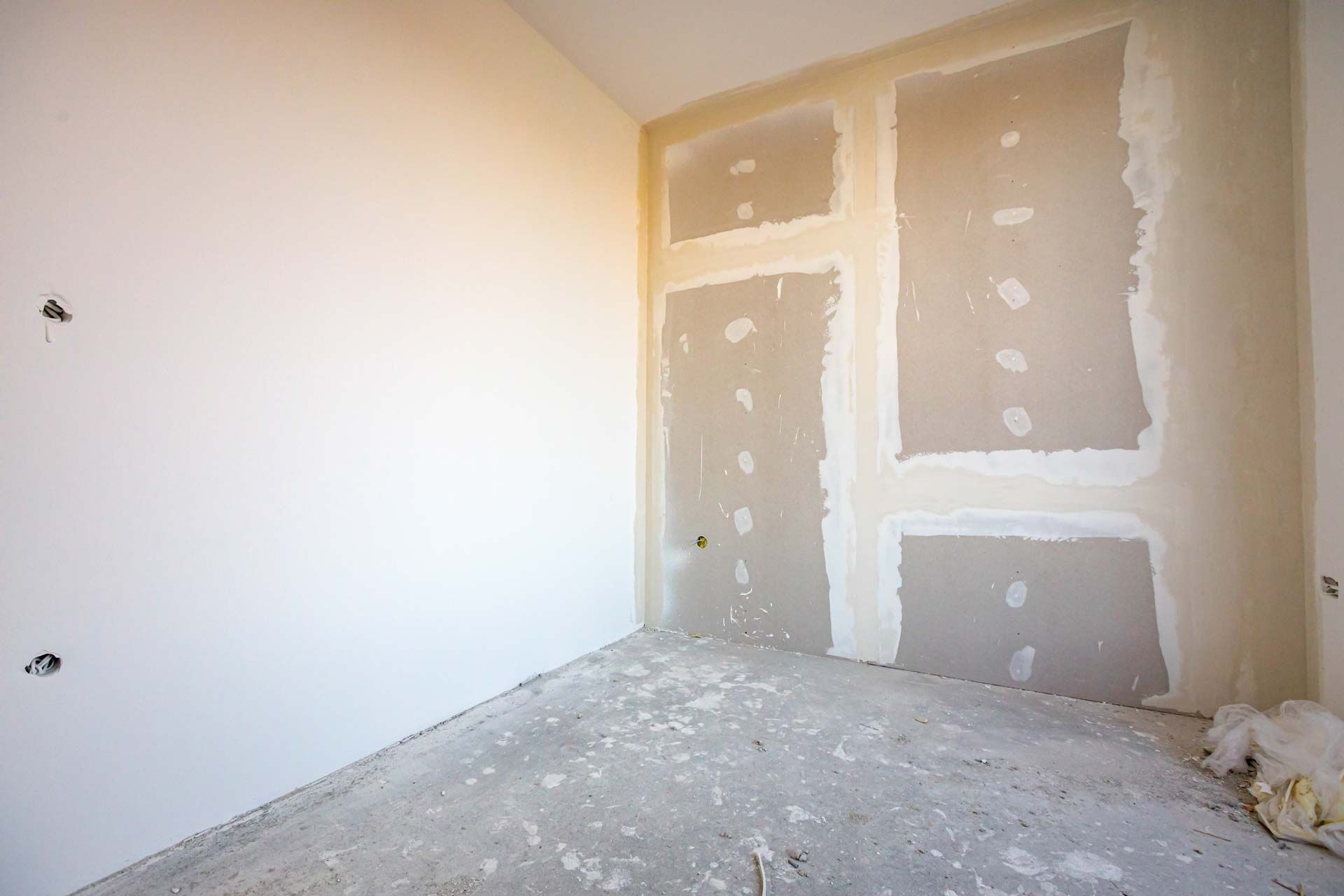
Once the mold-damaged materials are cleared, reconstruction begins. This phase focuses on restoring the structural and visual appearance of the space, ensuring strength, stability, and durability.
Rebuilding Procedures
- Installing New Drywall and Insulation - Fresh materials replace what was removed, restoring proper thermal protection and a smooth, clean surface for finishing.
- Repairing or Replacing Wood Framing - Any weakened studs, joists, or subfloor sections are reinforced or replaced to bring the structure back to safe condition.
- Restoring Flooring Systems - New flooring layers are installed, whether the original materials were carpet, hardwood, laminate, or tile.
- Completing Interior Finishing Work -
Painting, trim installation, and final touches return the repaired area to a clean and functional appearance.
Complete Mold Damage Repair for San Tan Valley and Queen Creek, AZ Homes and Buildings
Mold damage repair is more than replacing affected materials—it involves restoring structural strength, eliminating moisture concerns, and rebuilding the environment to prevent recurring problems. Dire Restoration provides detailed mold damage repair services in San Tan Valley and Queen Creek, AZ, offering a thorough approach that includes assessment, removal, reconstruction, and preventive improvements. Each project is handled with careful attention to ensure the space is safe, stable, and ready for long-term use.