Mold Remediation in San Tan Valley and Queen Creek, AZ
Identifying and Addressing Mold Growth Indoors
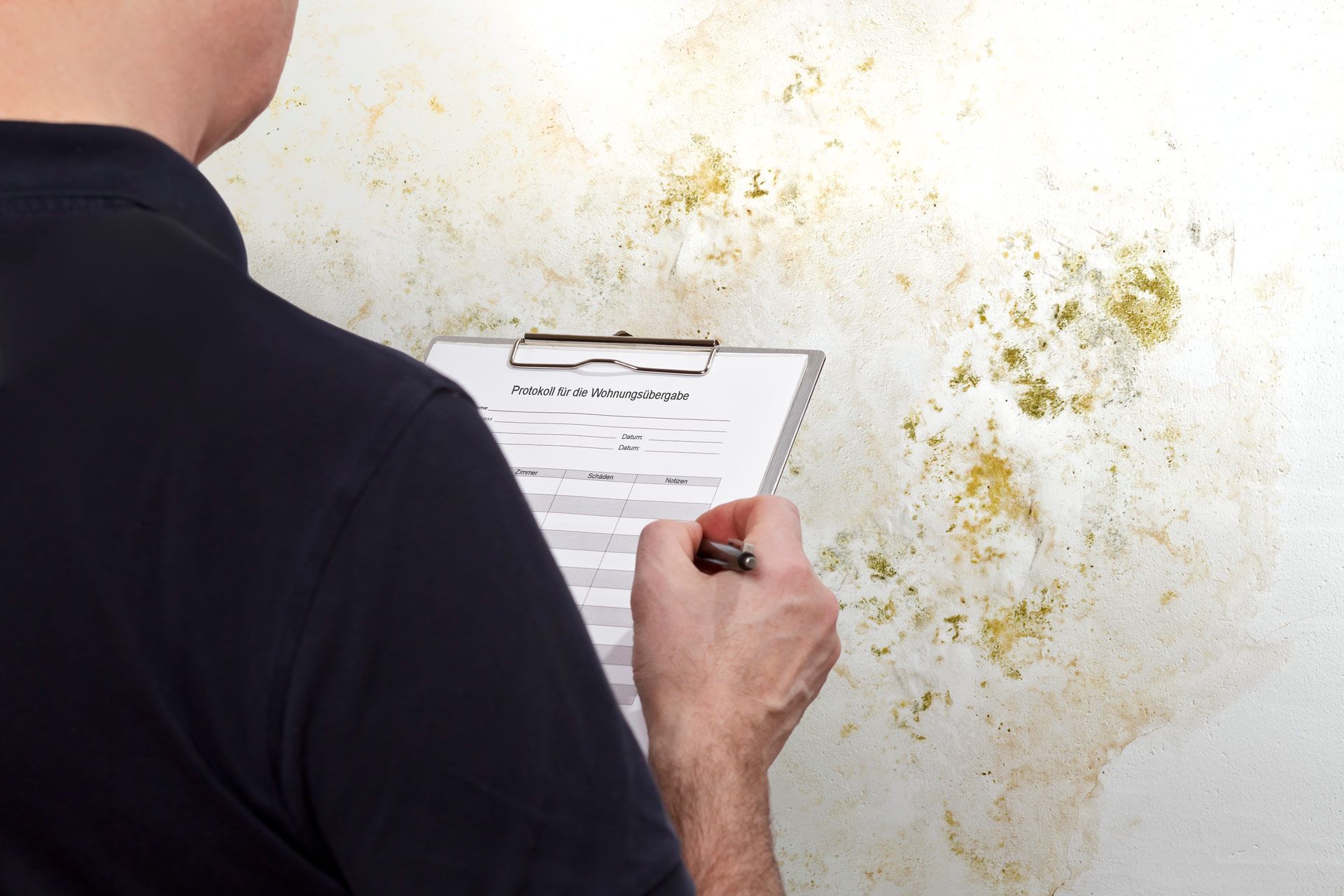
Mold growth can develop quietly and spread quickly, especially after water damage or in areas with high humidity. It affects indoor air quality, damages building materials, and creates an unhealthy environment. Dire Restoration provides professional mold remediation services in San Tan Valley and Queen Creek, AZ, focused on identifying contamination, removing affected materials, and restoring safe living conditions. Every step is approached methodically to ensure mold does not return once the treatment is complete.
Inspection, Testing, and Source Identification
Effective remediation begins with determining how widespread the mold problem is. Mold often grows in hidden spaces, making a detailed inspection essential. Identifying moisture sources is just as important, as mold cannot be fully resolved unless the contributing conditions are addressed.
Areas of Mold Assessment
Locating Visible and Hidden Mold
Mold can grow behind walls, under flooring, inside insulation, and around plumbing. Detecting both surface and concealed growth sets the stage for proper removal.
Evaluating Moisture and Humidity Issues
Ongoing leaks, trapped moisture, or poor ventilation often contribute to mold development. Understanding these issues helps prevent recurring problems.
Determining Mold Type and Contamination Level
While most molds follow similar removal procedures, the severity and spread influence how containment and cleaning should be managed.
Assessing Affected Building Materials
Drywall, wood, carpet, and insulation respond differently to mold colonization. Some can be cleaned, while others must be removed to eliminate contamination fully.
Containment and Safety Measures
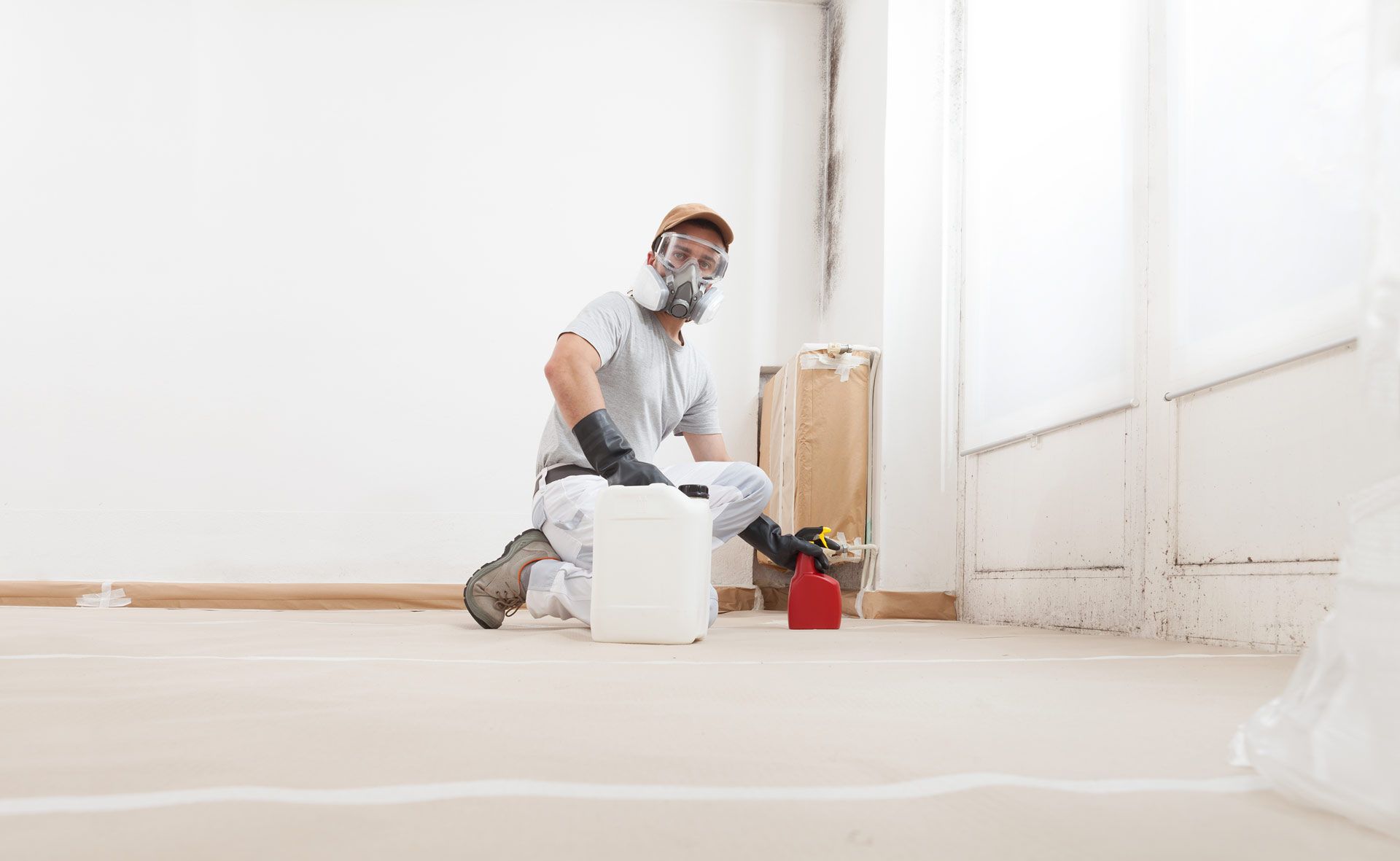
To prevent mold spores from spreading during remediation, containment is established before any removal begins. This helps protect the rest of the property and maintains cleaner air during the process.
Containment and Protection Steps
Physical Barriers and Negative Air Pressure
Plastic sheeting, sealed entry points, and pressure controls help isolate the affected area from surrounding rooms.
Air Filtration Using HEPA Equipment
HEPA filtration traps airborne mold spores, improving air quality and reducing contaminants during remediation.
Protection for Occupants and Technicians
Gloves, respirators, and protective clothing ensure safe handling of contaminated materials and minimize exposure.
Preventing Cross-Contamination
All tools, equipment, and surfaces are managed carefully to keep mold spores confined to the treatment zone.
Drying, Restoration, and Prevention of Future Mold Growth
After mold removal, restoring the area requires eliminating moisture issues and rebuilding any materials removed during remediation. Preventing future problems is a key part of the process.
Restoration and Prevention Steps
Structural Drying and Dehumidification
Comprehensive drying eliminates moisture pockets that could allow mold to return after remediation.
Repairing and Rebuilding Removed Materials
Drywall, flooring, trim, and insulation are replaced to restore the room’s structure and appearance.
Improving Ventilation and Moisture Control
Correcting humidity issues and enhancing airflow reduces opportunities for mold to grow again.
Post-Remediation Inspection
Once restoration is complete, the area is checked to ensure conditions remain clean, dry, and safe.
Mold Removal, Cleaning, and Material Treatment
Once containment is secure, the actual removal process begins. This includes eliminating mold growth, cleaning surfaces, and addressing any materials that cannot be salvaged.
Mold Removal Process
- Removing Contaminated Porous Materials - Drywall, insulation, carpeting, and other porous surfaces often require replacement because mold penetrates deeply into their fibers.
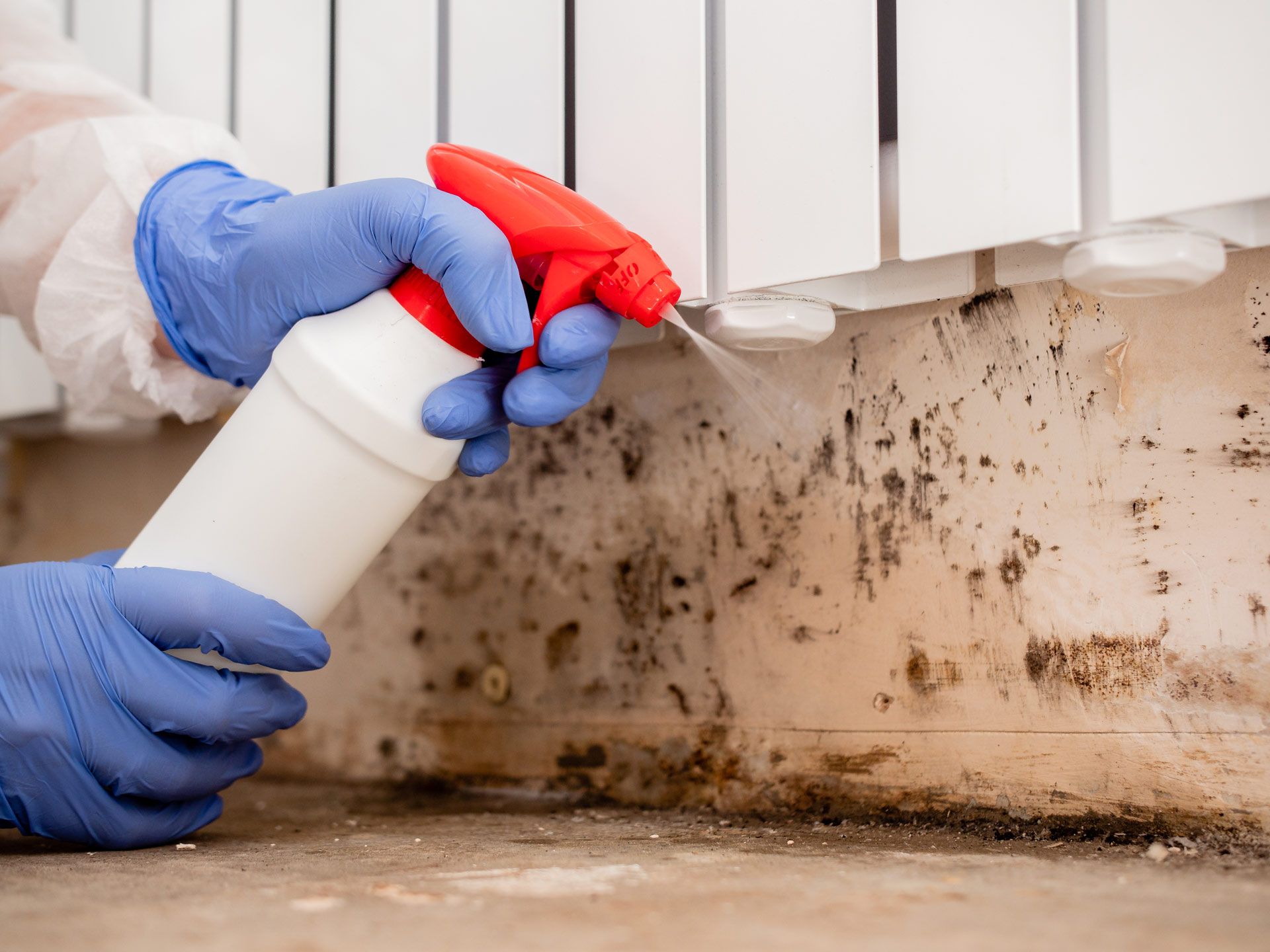
- Cleaning and Treating Hard Surfaces - HEPA vacuuming, scrubbing, and antimicrobial applications help eliminate mold from non-porous surfaces such as framing, subfloors, and concrete.
- Addressing Odors and Residue - Mold often leaves behind strong odors. Specialized treatments help restore normal indoor air quality and remove lingering musty smells.
- Final HEPA Vacuuming and Wipe-Down -
A final cleaning stage ensures all surfaces are free from settled spores following active remediation.
Professional Mold Remediation for San Tan Valley and Queen Creek, AZ
Mold remediation requires attention to detail, thorough removal, and reliable reconstruction. Dire Restoration provides property owners in San Tan Valley and Queen Creek, AZ, with a structured and professional approach that addresses both visible growth and hidden contamination. By targeting moisture sources, removing affected materials, and restoring the indoor environment, each project is handled with care to ensure a long-term resolution.